Online-Glücksspiel ist in Österreich seit Langem eine beliebte Freizeitbeschäftigung. Viele Spieler legen sich bewusst ein kleines Spielbudget zu und genießen abends ein paar Runden an den Spielautomaten, um dies bequem und so weit wie möglich von ihren alltäglichen Finanzen getrennt zu halten. Genau hier kommt die Möglichkeit ins Spiel, in Online-Casinos mit der Handyrechnung zu bezahlen: Anstatt mit Kreditkarte oder über das elektronische Zahlungssystem (EPS) wird der Einsatz über den Mobilfunkanbieter abgerechnet – oft in kleineren, gut kontrollierbaren Beträgen. Die Zahlung per Handyrechnung ist nur über Ihren Mobilfunkanbieter (A1, Magenta, Drei) möglich.
In diesem Leitfaden erkläre ich Ihnen ausführlich, was es bedeutet, in Online-Casinos mit der Handyrechnung zu bezahlen, wie das technische Verfahren funktioniert, welche rechtlichen und praktischen Einschränkungen und Optionen es in Österreich gibt und wann diese Methode geeignet ist – und wann nicht.Lesen online casino mit handyrechnung bezahlen für die Seite Ich werde Ihnen auch erklären, wie Sie seriöse Anbieter erkennen, welche Optionen es gibt und wie Sie Mobilfunkrechnungen verantwortungsvoll in Ihren Budgetplan integrieren.
Was genau bedeutet „Online-Casino mit Smartphone-Abrechnung“?
Ein Online-Casino, das Zahlungen per Smartphone akzeptiert, ist keine andere Art von Casino, sondern ermöglicht unter anderem die Zahlung über den Mobilfunkanbieter. Dies geschieht üblicherweise über Direct Carrier Invoicing (DCB): Der Betrag wird nicht direkt vom Girokonto abgebucht, sondern von den Mobilfunkkosten oder dem Prepaid-Guthaben.
Zunächst einmal sollten Sie nur seriöse Online-Casinos nutzen, wie die auf unserer Top-Liste, die von Experten geprüft wurden. Nur so können Sie sicher sein, dass im Casino mit mobiler Einzahlung alles mit rechten Dingen zugeht.
Standardprinzip: Abrechnung über Ihren Mobilfunkanbieter
Sie können Ihr Online-Casino-Guthaben über Ihren Mobilfunkanbieter (A1, Drei, Magenta) aufladen. Der Betrag erscheint auf Ihrer monatlichen Rechnung oder wird von Ihrem Prepaid-Guthaben abgezogen. Diese Einzahlungsmethode erfordert keine Bank- oder Kartendaten. In Österreich bieten A1, Drei und Magenta eine gemeinsame Kampagne für die Abrechnung über Mobilfunkrechnungen an. Diese Kampagne legt einheitliche Anforderungen fest, erläutert die Bedingungen und beschreibt ein standardisiertes Verfahren.
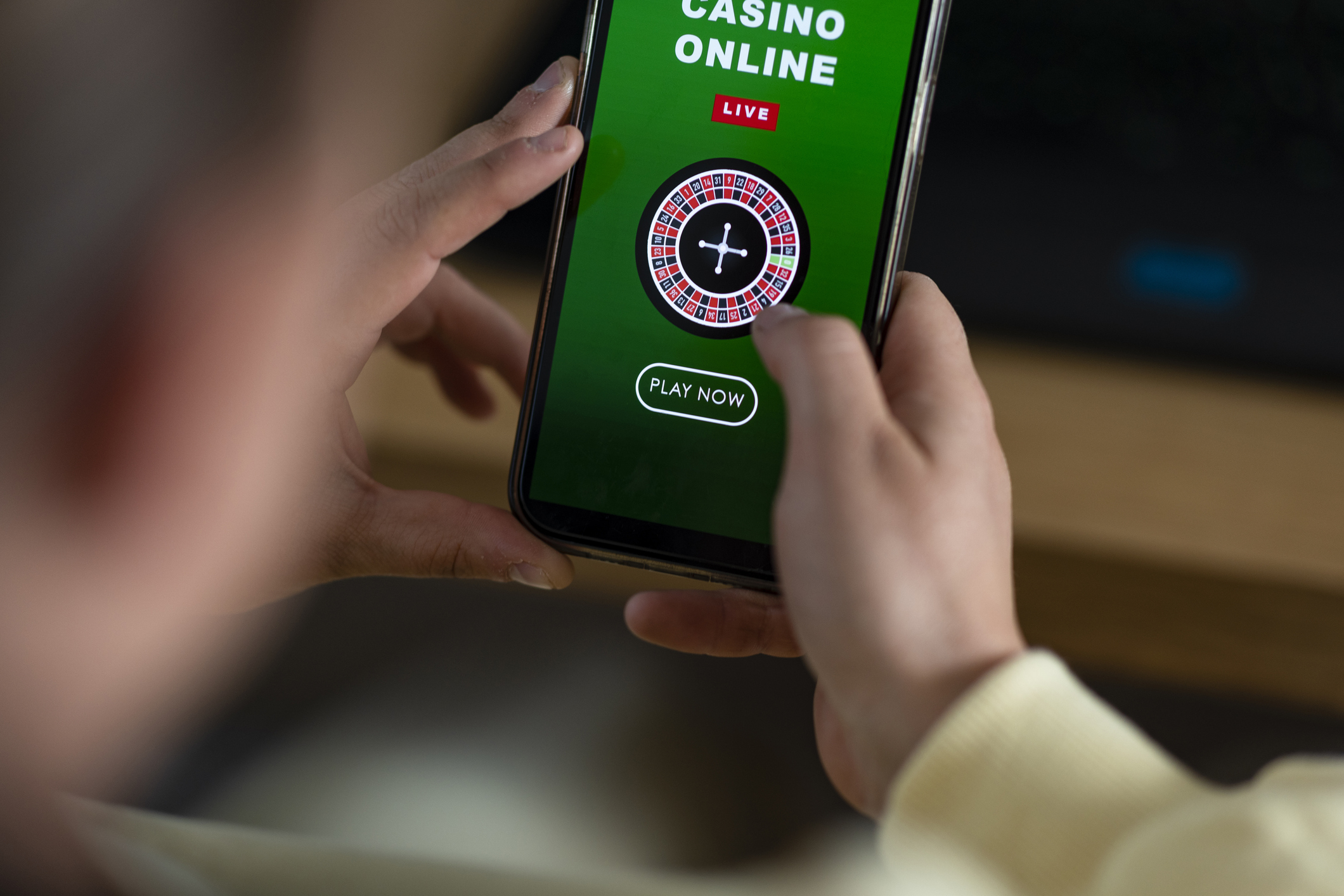
Wenn Sie die Abrechnung über Ihr Mobiltelefon beim Bezahlvorgang auswählen, ist der Vorgang ganz einfach. Sie geben Ihre Mobiltelefonnummer ein und bestätigen die Zahlung (in der Regel per SMS-Code oder Foto Ihres Mobiltelefons). Der Betrag wird Ihrem Casino-Konto gutgeschrieben. Der Mobilfunkanbieter fungiert als Vermittler zwischen Ihnen und dem Casino.
Es stehen Ihnen außerdem folgende Optionen zur Auswahl:
- Erstens: Vertragstarif mit monatlicher Gebühr – die Beträge werden einfach in Ihre neue Mobilfunkrechnung aufgenommen.
- Zweitens: Prepaid-Tarif – dieser wird direkt von Ihrem bestehenden Mobilfunkanbieter abgebucht.
In beiden Fällen wird die Transaktion Ihrem Mobilfunkanbieter angezeigt. Dasselbe gilt, falls etwas schiefgeht – auch hier ist Ihr Anbieter an der Lösung beteiligt.
Details: Einzahlung per Mobilfunkrechnung in Österreich
Mit der Zahlung per Mobilfunkrechnung können Sie innerhalb weniger Minuten über Desktop-PC, Laptop, Smartphone oder Tablet bezahlen. So funktioniert’s:
- Wählen Sie ein Casino: Melden Sie sich bei einem seriösen Online-Casino an und eröffnen Sie Ihr Konto.
- Registrierung: Falls noch nicht geschehen, erstellen Sie ein Konto mit Ihrem Namen, Ihrer E-Mail-Adresse und Ihrer Mobiltelefonnummer.
- Bestätigen Sie Ihr Konto: Bestätigen Sie Ihr Konto über den Link in der E-Mail oder den SMS-Code des Online-Casinos.
- Einzahlung: Gehen Sie zur Kasse und wählen Sie Ihre Mobilfunkzahlung oder die entsprechende Option (z. B. A1, Magenta, Drei oder „Mobile Zahlung“).
- Betrag eingeben: Geben Sie Ihren gewünschten Einzahlungsbetrag ein und bestätigen Sie ihn.
- Bestätigung per SMS: Sie erhalten eine SMS oder eine Bestätigungsanfrage von Ihrem Mobilfunkanbieter – bestätigen Sie diese kurz.
- Fertig: Das Guthaben wird in der Regel sofort gutgeschrieben und Sie können loslegen. Heute.
Technisch gesehen funktioniert dies über spezielle Zahlungsanbieter mit Schnittstellen zu Mobilfunknetzbetreibern. Für Sie als Spieler ist der wichtigste Punkt, dass Sie Ihre Aktion einfach selbst durchführen müssen: Betrag prüfen, Nummer eingeben und Code bestätigen.
Die 8 wichtigsten Fakten über Online-Casinos mit mobilen Einzahlungen
- Sie können im Casino über Ihre Mobilfunkrechnung bezahlen. Die Casino-Einzahlung wird dabei am Monatsende Ihrer Mobilfunkrechnung hinzugefügt, und Sie zahlen den Betrag dann weiter.
- Manche Spieler haben keinen Vertrag mit einem Mobilfunkanbieter, sondern nur eine Prepaid-SIM-Karte. Diese Spieler können ihr Online-Casino-Guthaben mit ihrem Handyguthaben aufladen.
- In Österreich gibt es drei Mobilfunkanbieter, die Zahlungen auf Online-Casino-Websites ermöglichen: Drei, Magenta und A1.
- Zahlreiche Online-Casino-Websites nutzen diese bequeme Zahlungsmethode.
- Wenn Sie in einem Online-Casino mit Ihrem Handyguthaben bezahlen möchten, beachten Sie bitte das Limit von 50 €.
- Die Zahlung per Handy ist nicht die einzige Möglichkeit für Spieler, ihr Casino-Konto aufzuladen. Viele führende Casinos bieten mindestens 10 verschiedene Zahlungsmethoden an.
- Die mobile Zahlungsmethode eines Online-Casinos gilt nur für Einzahlungen, nicht für Auszahlungen.
- Spieler sollten nur Online-Casinos mit mobilen Zahlungsoptionen nutzen, die über eine gültige Lizenz einer EU-Glücksspielbehörde verfügen, wie beispielsweise die von uns bewerteten Anbieter.
Zahlungen, Gewinne, Steuern und allgemeine Hinweise
Eine häufig gestellte Frage lautet: „Wenn ich über meine Handyrechnung einzahle, werden dann auch Gewinne auf mein Handykonto ausgezahlt?“ Die kurze Antwort: Nein.
Warum Auszahlungen nicht auf Handykonten funktionieren
Ihre Handyrechnung dient als Auszahlungskanal, außer für Kreditkartenzahlungen. Der Mobilfunkanbieter fungiert als Zahlungsdienstleister für das Online-Casino, nicht als Bankkonto. Jackpots müssen daher über verschiedene Wege ausgezahlt werden – üblicherweise auf ein Bankkonto, eine Kreditkarte oder ein E-Wallet. Das bedeutet, dass Sie unbedingt eine separate Auszahlungsmethode benötigen, die auf Ihren Namen lautet. Bei größeren Beträgen müssen Sie außerdem Ihre Identität bestätigen.
Gängige Zahlungsmethoden und die Rolle von KYC
Zu den gängigsten Auszahlungsmethoden gehören Banküberweisung (SEPA), Kreditkarte (Auszahlungen bis zur Höhe der Einzahlung, darüber hinausgehende Beträge in der Regel per Banküberweisung) und E-Wallets. Aus Sicht des Spielerschutzes und der Regulierung ist es sinnvoll, dass das Online-Casino nur über Methoden auszahlt, die eindeutig mit Ihnen in Verbindung gebracht werden können. Dazu gehört KYC (Know Your Customer): das Hochladen von Ausweisdokumenten, Adressnachweis und gegebenenfalls weiteren Unterlagen. Um Stress zu vermeiden, empfiehlt es sich, diese Schritte nicht bis zu Ihrem ersten großen Gewinn aufzuschieben, sondern sie im Voraus zu erledigen.
Steuerliche Einstufung von Gewinnen
Die steuerliche Behandlung von Glücksspielgewinnen in Österreich ist komplex und hängt von Faktoren wie der Art des Spiels, dem Sitz des Anbieters und den individuellen Umständen ab. Dieser Artikel ersetzt keine professionelle Steuerberatung. Bei größeren Summen ist es ratsam, einen Steuerberater zu konsultieren, um Ihre individuelle Situation zu klären.
Für viele Gelegenheitsspieler mit einem begrenzten Budget ist diese Frage eher theoretischer Natur; Dies sollte jedoch nicht außer Acht gelassen werden, wenn größere Jackpots im Spiel sind.
Typische Probleme und erste Schritte zu deren Lösung
- In der Praxis stoße ich immer wieder auf ähnliche Problemmuster: Einzahlungen erscheinen auf der Handyrechnung, aber nicht auf dem Casino-Konto. Auszahlungen verzögern sich, weil die KYC-Prüfungen noch nicht abgeschlossen sind oder zusätzliche Dokumente benötigt werden. Bonusbedingungen wurden missverstanden, beispielsweise hinsichtlich der Teilnahme bestimmter Zahlungsmethoden an Aktionen.
- Die Standardvorgehensweise lautet: Wenn Sie Probleme mit Einzahlungen per Handyrechnung haben, kontaktieren Sie zuerst den Kundenservice der Casino-Website, da dieser die Verbindung zum Zahlungsdienstleister hat. Sollte der Kundenservice das Problem nicht lösen können und die Zahlung tatsächlich auf Ihrer Handyrechnung erscheinen, wenden Sie sich bitte an Ihren Mobilfunkanbieter. Bei Auszahlungsproblemen sollten Sie sich zunächst direkt an das Online-Casino wenden (KYC, AGB, technische Überprüfung).
Woher bezieht unser Expertenteam all diese Informationen über Online-Casinos und Zahlungsmethoden?
Sie fragen sich vielleicht, wie unsere Experten all diese Informationen finden. Wahrscheinlich meinen Sie sowohl die Online-Casinos als auch die Zahlungsmethoden, falls Sie noch nicht darüber gelesen haben. Wir werden das auch nicht geheim halten und Ihnen hier alle unsere Quellen offenlegen:
- Offizielle Website der Zahlungsmethode: Die Mobilfunkanbieter A1, Magenta und Drei haben gemeinsam eine hervorragende Informationsseite zur Zahlung per Mobilfunkrechnung erstellt. Sie heißt Zahlenperhandyrechnung.at. Dort finden Sie garantiert alle Informationen, die wir hier zu Online-Glücksspielanbietern bereitgestellt haben.
- Thematische Foren: Wir besuchen sowohl Casino- als auch Finanzforen, um mehr über Wettanbieter und Zahlungsmethoden zu erfahren.
- Fachwebseiten zum Thema iGaming: Es gibt spezialisierte Webseiten und Fachpublikationen zum Thema Glücksspiel. Besonders hervorheben möchten wir die Glücksspielverbände in Österreich.
- Offizielle Webseiten von Online-Casinos: Alle Informationen zu den Online-Casino-Webseiten stammen direkt von den Casinos selbst. Wir haben uns bei jedem dieser Anbieter registriert und alle offenen Fragen direkt mit deren Support geklärt. Dadurch erhalten wir Zugriff auf Informationen, die nicht direkt auf der Casino-Webseite verfügbar sind.
- Zeitungen und Nachrichtenwebseiten: Als Glücksspielexperten verfolgen wir natürlich die aktuellen Entwicklungen. Angesichts der vielen Neuigkeiten zum österreichischen Wettmonopol und den Skandalen um Glücksspielunternehmen in Österreich ist es unerlässlich, stets auf dem Laufenden zu bleiben.
Fazit
Die Zahlung per Smartphone-Rechnung ist in Österreich eine sinnvolle Zahlungsmethode für kleine, vorhersehbare Beträge: schnell, ohne Angabe von Kartendaten und mit den üblichen Budgetbeschränkungen der Mobilfunkanbieter. Wichtig: Auszahlungen erfolgen niemals per Smartphone-Rechnung, sondern ausschließlich über herkömmliche Zahlungsmethoden (SEPA, Karte, E-Wallet). Beachten Sie dies von Anfang an, um Probleme beim Zahlungsvorgang zu vermeiden.
Für Bonusspiele und höhere Einsätze empfehle ich eine Kombination aus beidem: Smartphone-Rechnung für spontane Einzahlungen und Karte/E-Wallet für die Aktivierung von Bonusangeboten und Auszahlungen. Prüfen Sie vor Ihrer ersten Einzahlung die Bonusbedingungen (qualifizierte Zahlungsmethoden, Umsatz-/Spielbeschränkungen, Spielanforderungen) und richten Sie umgehend ein verifiziertes Auszahlungsnetzwerk ein. Achten Sie ebenso auf die Mehrwertdienste Ihres Mobilfunkanbieters, die Zugänglichkeit der Zahlungsmethode an der Kasse sowie die KYC/AML-Prozesse und transparenten Bedingungen des Casinos.
Mein
Fazit: Wer vertrauenswürdige Dienstleister wählt, vernünftige Ausgabenpläne und -limits festlegt und die Ein- und Auszahlungslogik klar definiert, profitiert von einem reibungslosen und abendfreundlichen Start mit der Smartphone-Abrechnung – und behält die nötige Flexibilität für Boni und Auszahlungen per Karte oder E-Wallet.






近期评论